
Fencing & Garden Walls
Built Properly —
Darlington & the North East.
Close-board fencing, feather-edge, panel fencing and brick or block garden walls installed with concreted posts, proper foundations and finishes that don't shift, lean or crack. Fixed written quotes, up to 10-year workmanship guarantee.
- 18 years' experience
- Checkatrade 10/10 (33+ reviews)
- Up to 10-year workmanship guarantee
- £2M Public & Employers' Liability
- Site visit usually within 2 days
What we build, who it's for, and why it's worth doing properly.
What it is
A full fencing or garden-wall installation — from old-fence removal or excavation, through concreted post foundations or trench footings, to boards, panels, brick / block courses, coping and caps. Gate hangings and post caps included where relevant.
Who it's for
Homeowners replacing a leaning or storm-damaged fence, buyers marking a new boundary, or anyone wanting a low retaining wall to define a driveway, patio or planting bed.
When it's needed
When the current fence is leaning or missing panels after a storm, when a new patio or drive needs a proper boundary, when the garden needs privacy from a neighbouring extension, or when a low wall would define levels better than a fence.
Why professional install matters
Fences fail at the posts and walls fail at the foundations. Set posts too shallow or lay a wall on the wrong footing and both fall over — usually in the first winter storm. Proper depth, proper concrete and the right materials cost more day one and save you replacing the whole run three years later.
What happens when the job is done cheaply — or left too long.
Fencing and garden walls look simple, which is why they're so often built badly. A leaning fence line or a cracked wall isn't just ugly — it's a boundary dispute waiting to happen.
Leaning or snapped fence posts
Timber posts set in shallow holes with a shovel of dry postmix rot at ground level and snap in the first gale. Concrete posts do the same when set less than 600mm deep.
Cracking garden walls
Walls built without proper trench footings and expansion joints crack along the mortar lines every time the ground freezes and thaws.
Coping and cap failure
Missing or badly bedded coping stones let water run down the face of the wall and blow the mortar joints apart from the top down.
Common mistakes we're called out to fix:
- Setting posts less than 600mm deep — first strong wind and they lean, first winter and they snap.
- Using dry postmix in wet holes instead of a proper concrete mix — never fully cures and crumbles inside three years.
- Building walls without a proper concrete strip footing to at least 300mm depth — cracks along the mortar joints in the first frost.
- No expansion joints on brick walls over 6m — thermal movement cracks the mortar visibly.
- Skipping coping stones on top of a garden wall — water gets in, mortar blows, wall spalls apart.
A clear, staged system — so you always know what's next.
-
1
Free site visit & boundary check
James measures the run, checks for existing services (Cat scan for buried cables where required), confirms the boundary line with you and photographs the site.
-
2
Fixed written quote
One price for the whole run — clearance of the old fence or wall, foundations, materials, gates and clean-down. No day rates, no per-panel figures.
-
3
Removal & foundations
Old fence panels and posts lifted and disposed of, new post holes to 600mm+ depth or wall footings excavated to 300mm+ with reinforcement where needed.
-
4
Set posts / lay footings
Posts set with wet concrete mix and braced plumb, or brick / block laid on a compacted stone base and concrete footing with damp-proof course where retaining ground.
-
5
Panels, boards, courses & finishes
Fence panels or feather-edge boards fixed, gravel boards clipped in, or wall courses laid to line and pointed. Coping stones bedded and pointed. Post caps fitted.
-
6
Clean-down, walkaround & guarantee
Site cleared, all waste taken away, walkaround with you and written workmanship guarantee handed over.
Specific outcomes — not vague promises.
Posts concreted to 600mm+
Every timber and concrete post we install goes to at least 600mm with a wet concrete collar. The fence still stands after the storm the neighbour's doesn't.
Proper wall footings
Trench footings dug to firm ground, minimum 300mm depth, with reinforcement where retaining. Not just a scratch in the topsoil.
Choice of materials, honestly priced
Feather-edge, close-board, panel, palisade or a mix. Brick, block-and-render or dressed stone for walls. We'll steer you toward what suits the house, not what's got the best margin.
Fast on straightforward runs
A 20m panel fence with concrete posts typically finishes in 2 days. A 10m brick garden wall runs 3–5 days depending on height.
Fixed price, staged payments
One number, paid in stages as the job progresses. No deposit typically required. Bank transfer only.
Up to 10-year workmanship guarantee
Written into the quote. You know what's covered before we lift a shovel.
The detail most contractors won't put in writing.
Fencing and garden walls span a huge range of materials and details. Here's how we build each of the common types, and where the corners get cut on cheaper installations.
Close-board & feather-edge fencing
Concrete or pressure-treated timber posts to 600mm+ depth, gravel boards to keep the featheredge off the ground, arris rails at top and middle (three rails over 1.5m high), tapered feather-edge boards overlapped and nailed to each rail. Cap rail on top for weather protection.
Panel fencing
Concrete or timber posts with H-slot or U-channel receiving pre-made panels (waney-edge, overlap or closeboard). Gravel boards under every panel to keep timber off the ground. Post caps fitted. The quickest fence type to install and easiest to repair panel by panel.
Palisade & picket fencing
Individual vertical pales (pointed or flat-topped) fixed to horizontal rails between posts. Painted or stained on all six faces before fixing to slow water uptake. Suits cottage and period-property front gardens.
Brick garden walls
Trench foundation to 300mm+ depth on firm ground, concrete strip footing with reinforcement where over 1m high or retaining ground. Brick courses laid on a proper mortar mix with expansion joints every 6m on runs. Damp-proof course two courses above ground where retaining. Coping stones bedded and pointed on top.
Block-and-render & dressed-stone walls
Concrete blocks laid on the same footing spec, rendered in two coats with a monocouche finish or reconstituted-stone cladding. Alternative: dressed natural stone (sandstone, limestone) laid coursed or random. Both need the same coping detail as brick.
Gates, hinges & security
Timber or metal gates hung on galvanised or stainless hinges, drop bolts at ground level, latches at hand height, key locks where required. Gate posts always heavier-duty than fence posts because they carry hinge load.
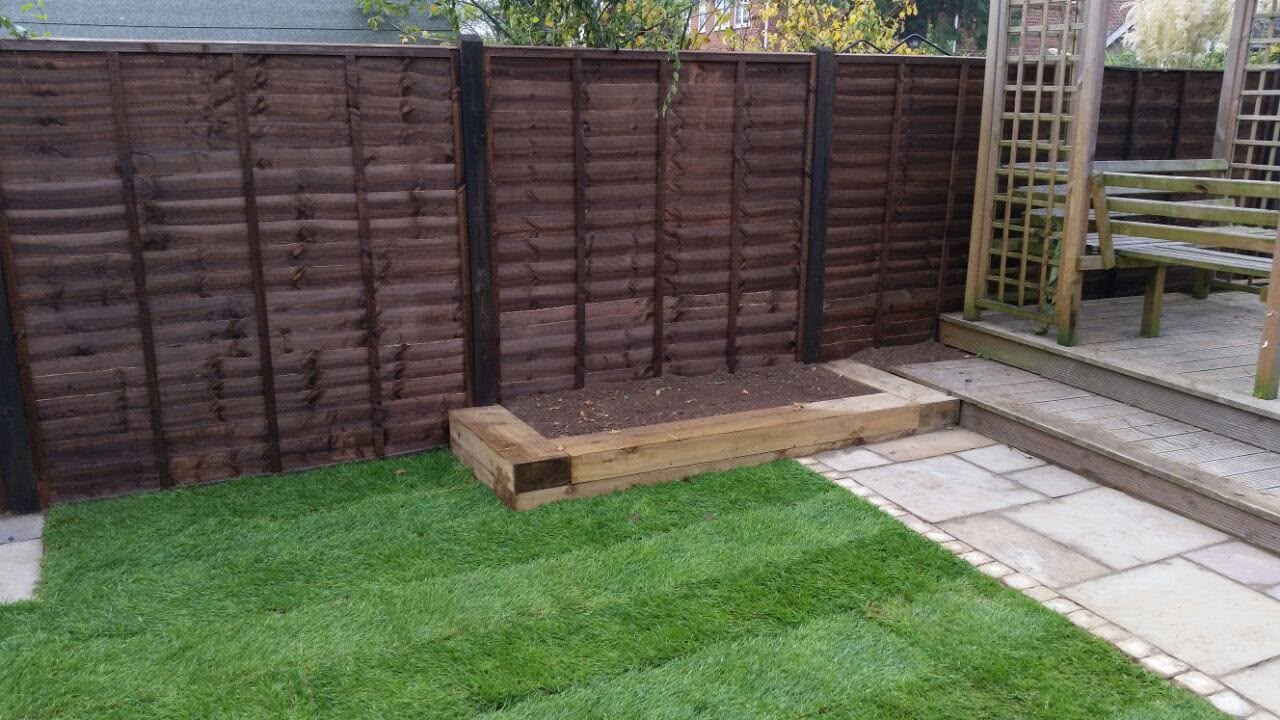
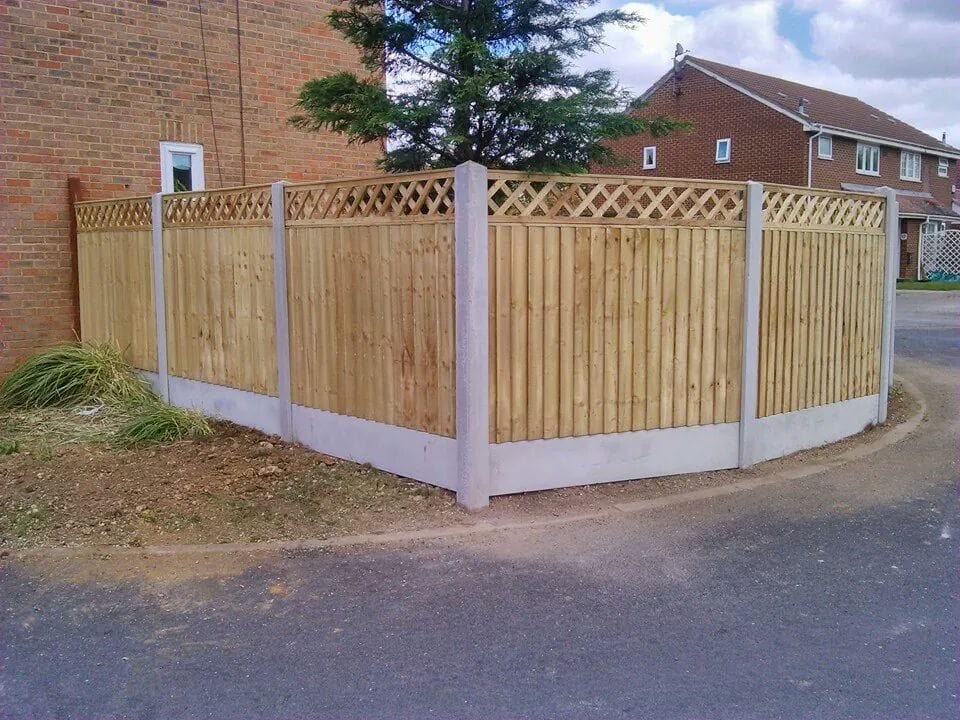
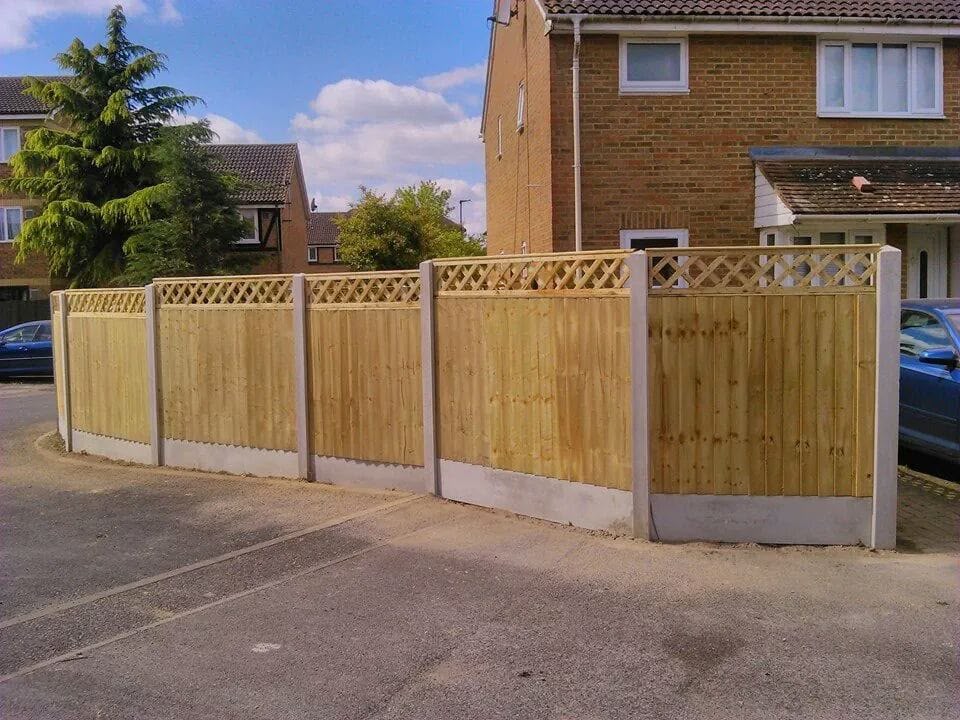
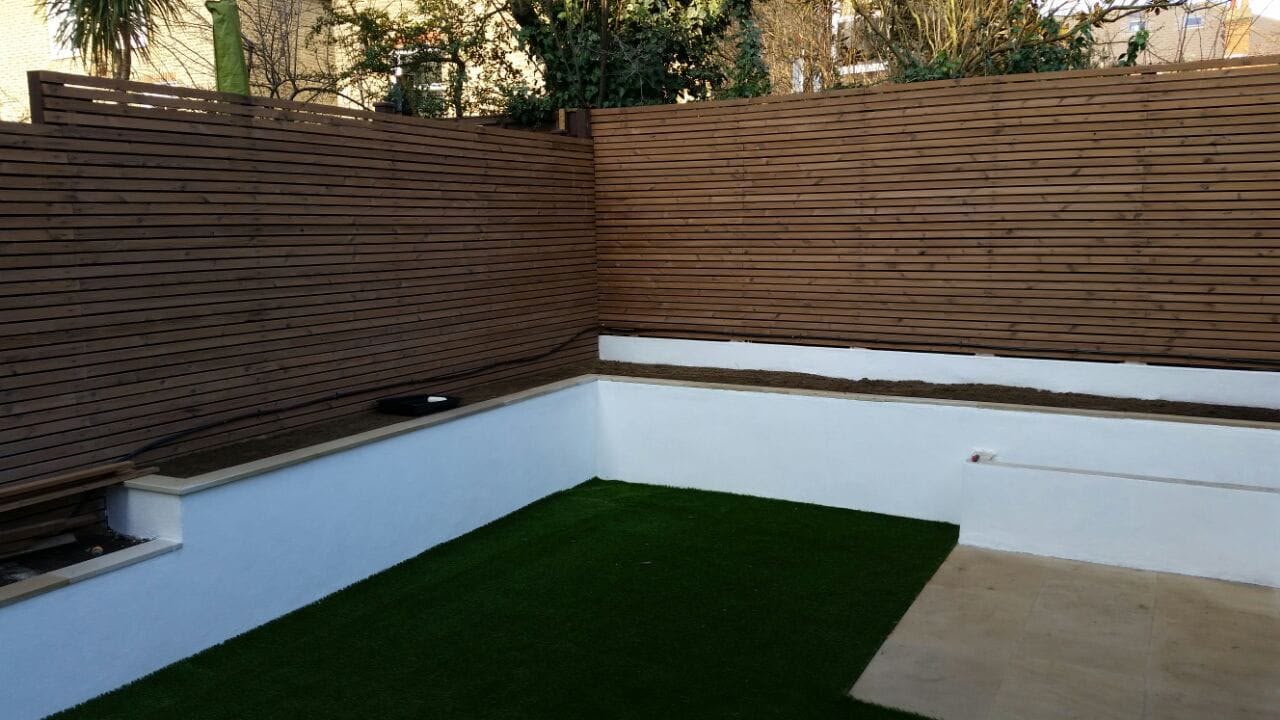
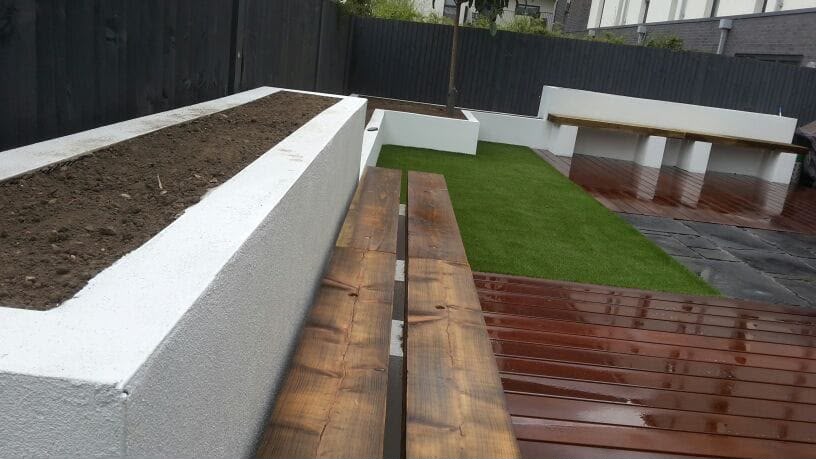
A few we've finished — fencing & garden walls across the North East.
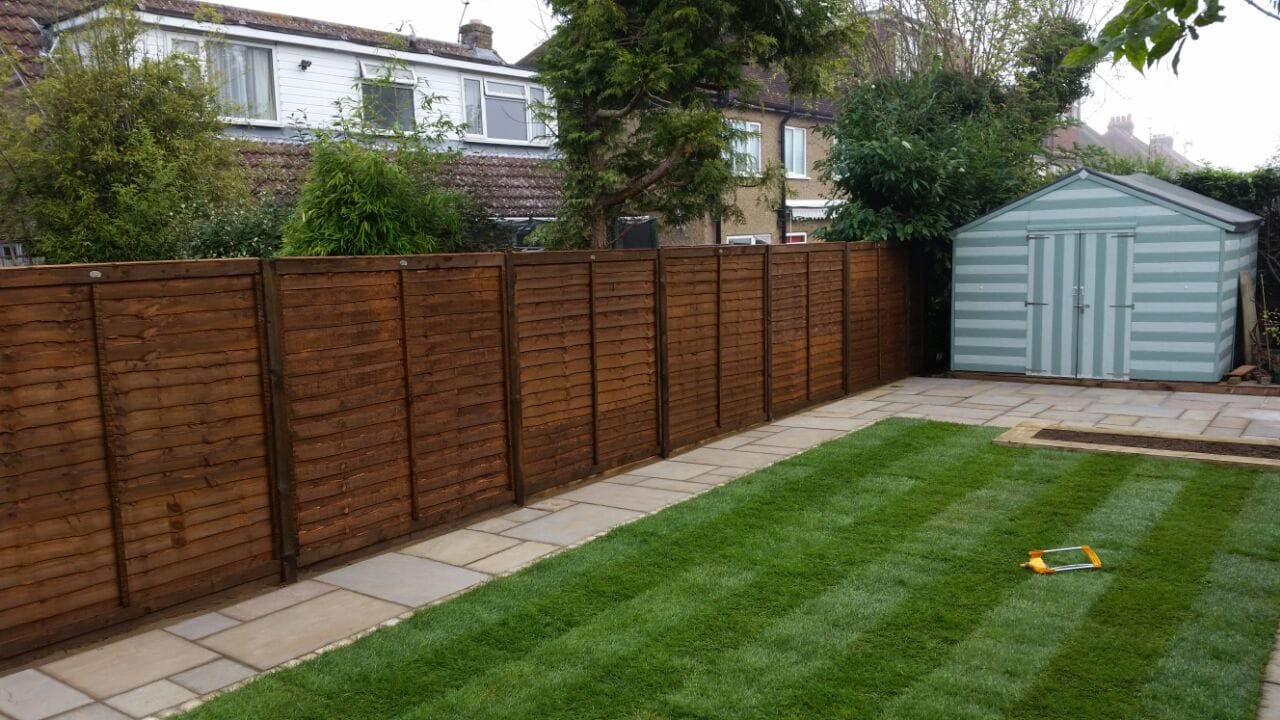
Real jobs, real customers. Drag the divider on the before/after images to see what was there before we started.
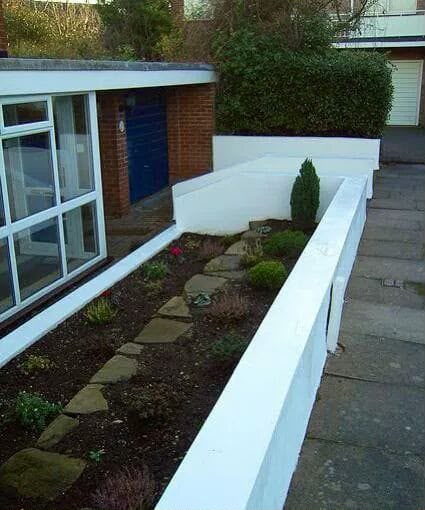 BeforeAfter
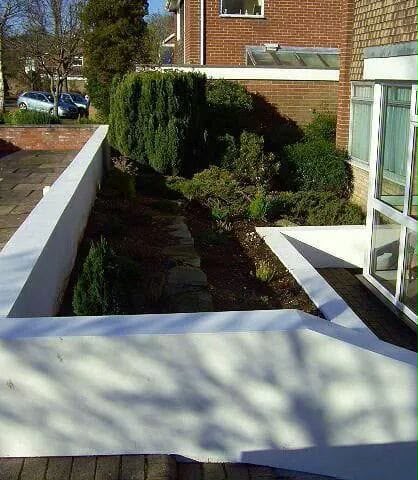 BeforeAfter
Frequently asked questions.
Ready for a fencing & garden walls that lasts?
Free site visit within a couple of days. Fixed written price shortly after — no deposit, no pressure, no ballpark guesswork. Backed by up to 10-year workmanship guarantee and £2M public liability insurance.
Mon–Sat, 7am–7pm • Yard 10, Wards Industrial Estate, Darlington DL1 2UQ